


Announcing the Upcoming Book Publications from karṇāṭa

-
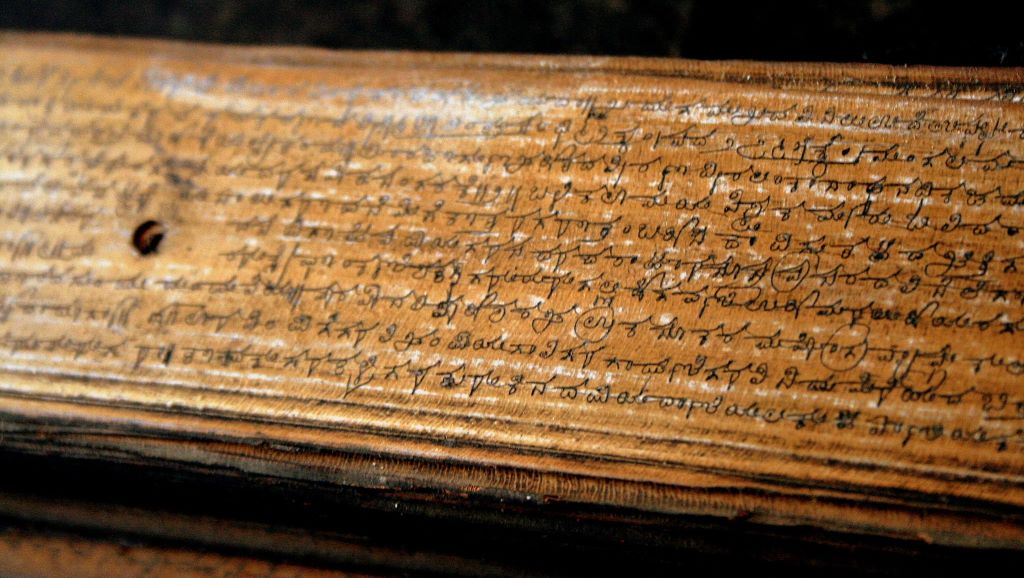
karṇāṭa: Centre for Classical Kannada, is pleased to announce the forthcoming publication of three Kannada commentaries on important Classical Kannada texts, scheduled for release in March. These volumes form part of the Karṇāṭa Classical Series, edited by R. V. S. Sundaram, and are intended to present critical commentaries that make important Kannada texts accessible to modern readers.
The first volume presents a commentary on Kanakadasa’s Naḷacaritre, a narrative poem based on the Nalopākhyāna of the Mahābhārata. Comprising nine chapters and 481 verses, the work offers a concise retelling of the story of Nala and Damayanti. The commentary is by Geetha Naval, former Professor and Principal of Government colleges in Karnataka.
The second volume is a commentary on the Cūḍāratnaśataka, a well-known didactic śataka by an unknown author. Composed in kanda metre, it belongs to the tradition of nīti śatakas. The commentary is written by Akkamahadevi, former Assistant Professor of Kannada at the Kuvempu Institute of Kannada Studies, University of Mysore.
The third volume is a commentary on Kanakadasa’s Rāmadhānyacaritre, a satirical poem in which a debate takes place between ragi millet and rice, with Rāma delivering the final judgement in favour of ragi. The commentary is by Nagarathnamma, a Kannada scholar.
Apart from these three books the centre is also publishing a fourth book titled Kannada Pandita Parampare which is a biographical volume devoted to the lives and scholarly contributions of sixty eminent Kannada scholars who played a significant role in the study, interpretation, and transmission of Classical Kannada learning. Each scholar is presented through a substantial biographical essay outlining their intellectual formation, major works, and contributions to Kannada scholarship. The biographies are written by different scholars, each drawing on their area of expertise. Together, the essays offer an introduction to the Kannada scholarly tradition and its enduring intellectual legacy.